Navigating Central Venue Logistics and Timelines
Municipal parades require the suspension of standard civic operations across multi-kilometer routes. Planners must calculate barricade staging, cross-traffic mitigation, and pedestrian overflow limits to maintain urban functionality.
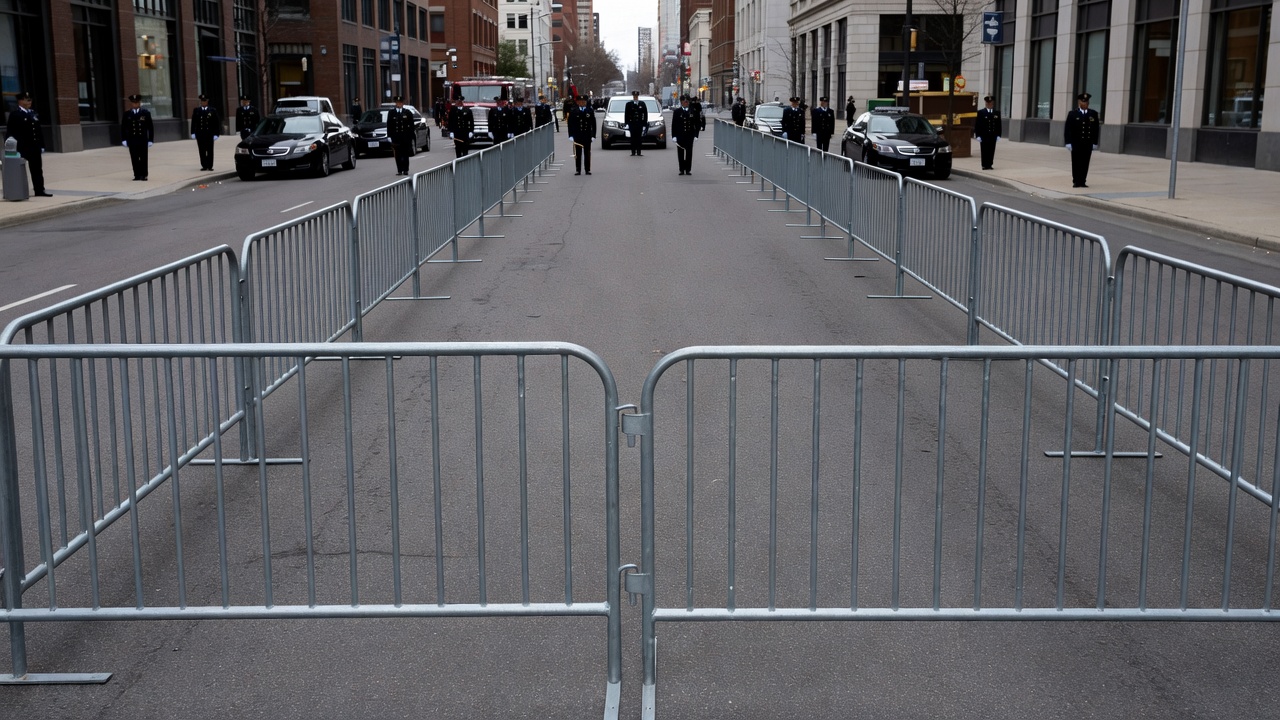
Route Infrastructure and Sectorization
Standard European parade routes are divided into 500-meter sectors for operational control. Each sector is equipped with mandatory medical egress points and sanitation nodes. Hard barricades (Type-3 steel interlaced) are deployed a minimum of 6 hours prior to the advance unit. Soft checkpoints are maintained at 50-meter intervals. The standard calculation for sidewalk capacity is 2.5 persons per square meter; exceeding this threshold triggers secondary blockades at adjacent feeder streets.
Cross-Route Arterial Management
Total cessation of cross-traffic is unsustainable for periods exceeding 120 minutes in central zones. Therefore, municipal planners implement dynamic pedestrian crossings. These are 10-meter wide corridors managed by civic security personnel, opened in 4-minute windows between procession units. Vehicle traffic is rerouted entirely to ring roads. For routes bisecting tram lines, overhead wire isolation protocols are initiated 30 minutes before the arrival of structures exceeding 4.5 meters in height.
Post-Event Operations
The termination of the parade triggers the immediate mobilization of the municipal sanitation fleet, advancing exactly 200 meters behind the final unit. Barricade strike teams dismantle sectors sequentially, aiming to restore vehicular transit to affected grid zones within 90 minutes of the final unit clearing the sector. Planners must note that pedestrian dispersal creates a 45-minute surge load on localized public transport hubs, necessitating pre-scheduled auxiliary train deployment.